What Engine Oil Does My Car Need? A Simple Guide for Drivers
Choosing engine oil can be confusing. You might see bottles labelled 5W-30, 5W-40 or 0W-20 and wonder which one is right for your car.
The answer depends on your vehicle's make, model, engine and manufacturer recommendations. Using the correct engine oil helps protect the engine, keep its moving parts lubricated and maintain reliable performance.
If you're unsure which oil to buy for your car in Dublin, here's what you need to know before your next oil change.
How Do I Know Which Engine Oil My Car Needs?
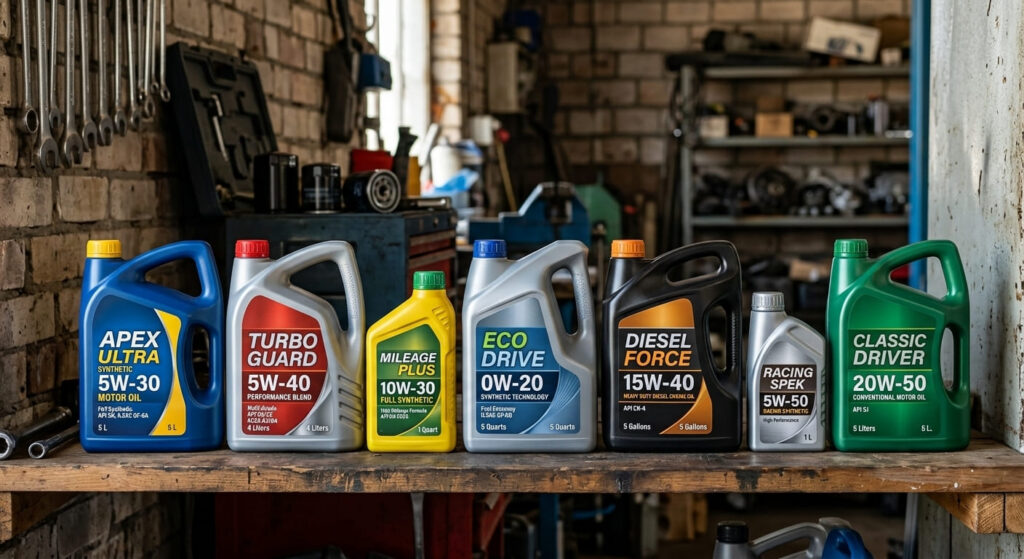
The easiest way to find the right engine oil is to check your car's owner's manual. It will usually specify the recommended oil grade and the standards the oil must meet.
You can also check the manufacturer's maintenance information or ask a qualified mechanic to confirm the correct specification.
Before buying engine oil, check these details:
- Your car's make, model and year
- Engine size and type, such as petrol or diesel
- Recommended oil viscosity
- Required oil specifications or approvals
Don't assume that your car needs the same oil as another vehicle of the same make. Different engines can have different oil requirements, even within the same model range.
What Do Engine Oil Numbers Like 5W-30 Mean?
The numbers on an engine oil bottle describe its viscosity, which is how easily the oil flows at different temperatures.
For example, 5W-30 is a common engine oil grade, but it isn't suitable for every vehicle.
Here's what the numbers mean:
- 5W: The oil's viscosity rating at low temperatures. The W stands for winter.
- 30: The oil's viscosity rating at higher operating temperatures.
The numbers help you understand how the oil behaves, but they don't tell you whether it meets your engine's specific requirements.
Always follow the oil grade recommended by your vehicle's manufacturer.
Is Synthetic Engine Oil Better Than Mineral Oil?
Engine oil is commonly sold as fully synthetic, semi-synthetic or mineral oil.
The main differences relate to how the oil is formulated and the performance requirements it is designed to meet.
Fully synthetic engine oil
Fully synthetic oil is designed to provide consistent performance across a range of operating conditions. It is commonly specified for modern engines, including some turbocharged vehicles.
Semi-synthetic engine oil
Semi-synthetic oil combines synthetic and mineral base oils. It may be suitable for engines whose manufacturers permit this type of oil.
Mineral engine oil
Mineral oil is refined from crude oil and may be suitable for certain older engines and applications.
The most expensive option isn't automatically the right one. Check your vehicle's requirements before choosing between synthetic, semi-synthetic and mineral engine oil.
Does My Car Need Different Oil in Winter and Summer?
Temperature can affect how engine oil flows, particularly when starting a cold engine. However, that doesn't mean you should automatically change oil grades when the seasons change.
Many modern vehicles use an oil grade suitable for a range of temperatures.
The important thing is to follow the manufacturer's recommendations for your engine and the conditions in which you drive.
If you're unsure whether your current oil is suitable for year-round driving in Dublin, ask a mechanic to check the recommended grade.
What Happens If I Use the Wrong Engine Oil?
Using an oil that doesn't meet your engine's requirements can affect lubrication and engine protection. In some cases, it can contribute to premature wear or engine damage.
Problems can arise if the oil is too viscous, too thin for the application or missing a required manufacturer approval.
This is particularly important for modern engines with turbochargers or exhaust after-treatment systems, which may require specific oil formulations.
If you've accidentally used the wrong oil, seek advice from a mechanic. The appropriate action will depend on the oil used, the vehicle and whether the engine has been run.
How Often Should I Change My Engine Oil?
Your car's recommended oil change interval depends on its engine, age, mileage and maintenance schedule.
Some vehicles use fixed service intervals, while others calculate when servicing is due based on driving conditions and vehicle use.
Frequent short journeys, heavy traffic and demanding driving conditions may also affect maintenance requirements. Knowing the signs your car needs oil change can help you identify potential issues before they become more serious.
Check your service handbook and dashboard reminders rather than relying on a single mileage figure for every car.
Dublin City Driving and Engine Oil
Frequent short journeys around Dublin city, stop-start traffic on the M50, and regular cold starts in winter all affect how quickly engine oil degrades. Short trips mean the engine may not reach full operating temperature for long enough to burn off moisture and combustion byproducts that accumulate in the oil.
If most of your driving is short city runs rather than longer motorway journeys, the time-based oil change interval is often more relevant than the mileage interval. Following the manufacturer’s recommended annual or time-based service schedule is worth prioritising if your car is used mainly for city commuting.
How Do I Know If My Car Needs an Oil Change?
Your car may need an oil change when it reaches its scheduled service interval. There are also warning signs worth paying attention to.
These include:
- An engine oil warning or service reminder on the dashboard
- An oil level that repeatedly drops between services
- Visible oil leaks beneath the vehicle
- Unusual engine noises or changes in engine performance
An illuminated oil pressure warning light can indicate a serious problem. If it comes on while driving, stop somewhere safe and switch off the engine as soon as it is safe to do so. Check your owner's manual and arrange professional assistance rather than continuing to drive.
Also, remember that low engine oil and overdue engine oil are not the same problem. Check the oil level according to your vehicle's instructions and investigate repeated oil loss.
Where Can I Get My Engine Oil Checked in Dublin?
If you're unsure which engine oil your car needs, guessing isn't worth the risk. A mechanic can check your vehicle's specifications, inspect the oil level and advise whether an oil change is due.
When you bring your car to Worldwide Cars for an oil change service in Dublin, we confirm the correct oil specification for your make and model before the work begins and advise on any other maintenance items due at the same time.
Read More: How often should you service your car in Dublin?
Not sure where your car stands?
Send us your reg and we'll tell you what's due — no obligation.
Send us your reg and we'll tell you what's due.
Book your next service with a workshop that shows its work
Fixed pricing, digital vehicle report, courtesy car on request. Dublin, Mon–Sat.
Martin Byrne
Master Technician
Leads the servicing bay at World Wide Cars.

Book a service with a workshop that shows its work
Fixed pricing, digital report, courtesy car on request.