How Do You Know When Your Brake Pads Need Replacing?
Your car’s brake pads wear down every time you slow down or stop. Over time, the friction material becomes thinner, making it important to recognise the warning signs before they affect your car’s braking performance.
If you drive regularly around Dublin, stop-start traffic can contribute to brake pad wear. Knowing what to look and listen for can help you identify a problem early and avoid unnecessary damage to other braking components.
In this guide, Worldwide Cars explains the common signs of worn brake pads, how often they need replacing and when to book a brake inspection.
7 Signs Your Brake Pads Need Replacing
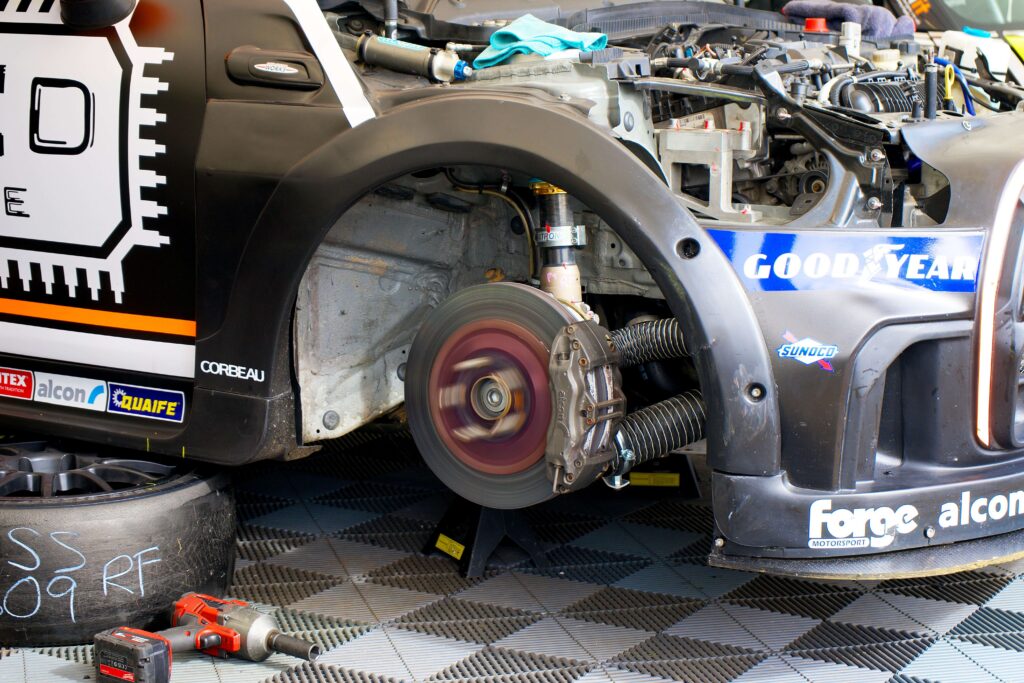
Brake pads do not always show obvious signs of wear until they are close to their replacement limit. However, there are several warning signs you should not ignore.
7 Signs Your Brake Pads Need Replacing
Brake pads do not always show obvious signs of wear until they are close to their replacement limit. However, there are several warning signs you should not ignore.
1. Squealing or Screeching When Braking
A high-pitched squealing sound when you press the brake pedal can indicate that your brake pads are wearing down. Many brake pads have a built-in wear indicator that produces a noise when the friction material becomes too thin.
However, noise does not always mean the pads need replacing. Dust, moisture or a small stone caught near the brake components can also cause squealing.
If the sound continues, arrange a brake inspection to identify the cause.
2. Grinding or Scraping Noises
A grinding noise is more concerning than a light squeal. It can mean the brake pad material has worn away, allowing the metal backing to contact the brake disc.
Continuing to drive with this problem can damage the discs and increase repair costs. If you hear persistent grinding when braking, stop driving as soon as it is safe and arrange professional assistance rather than continuing your journey.
3. Reduced Braking Performance
Have you noticed that your car does not slow down as quickly as it used to? Worn brake pads can affect braking performance, although other faults may cause similar symptoms.
If your stopping distance increases or you need to press the brake pedal harder than usual, have the braking system checked promptly. Do not assume that new brake pads alone will solve the problem, as the brake discs, callipers or hydraulic system may also need attention.
4. A Brake Warning Light on the Dashboard
Some modern cars have electronic brake pad wear sensors that alert the driver when the pads are approaching their wear limit.
If a brake warning light appears, check your vehicle handbook to understand what it means. Warning lights vary between makes and models, and a brake warning can indicate something other than worn pads.
Do not ignore the warning or assume that every car has a brake pad sensor. If the light indicates a serious braking fault, stop as soon as it is safe and seek assistance.
5. Vibration When Applying the Brakes
If you feel vibration through the brake pedal or steering wheel when slowing down, there may be a problem with the braking system.
Worn or unevenly worn brake pads can contribute to braking issues, but vibration can also indicate damaged, uneven or distorted brake discs.
A mechanic can inspect the pads and discs to determine whether brake pad replacement, brake disc replacement or another repair is required.
6. Your Car Pulls to One Side
If your car pulls to the left or right when you brake, one side of the braking system may not be working as it should. Uneven brake pad wear, a sticking brake calliper or a brake hose fault could be responsible.
Tyre problems and wheel alignment issues can also cause a car to pull to one side. Because the cause is not always obvious, arrange an inspection rather than replacing parts without a proper diagnosis.
7. The Brake Pads Look Thin
If your vehicle allows you to see the brake pads through the wheel spokes, you may be able to spot signs of wear. However, the visible pad may not show the condition of the pad on the other side of the disc.
Brake pad thickness should be checked against the vehicle manufacturer's specifications. A mechanic can inspect the pads properly and advise whether replacement is needed.
Do not wait until the friction material has worn away completely before arranging a replacement.
How Often Should Brake Pads Be Replaced?
There is no single mileage that applies to every car. Brake pad life depends on several factors, including:
- Driving conditions: Frequent stopping in Dublin city traffic can wear brake pads faster than steady motorway driving.
- Driving style: Sudden braking and braking heavily at high speeds can increase wear.
- Vehicle weight: Heavier vehicles generally place more demand on their brakes.
- Brake pad material: Different pad materials have different wear characteristics.
- Brake condition: Sticking callipers and other faults can cause uneven or accelerated wear.
Some brake pads may last tens of thousands of kilometres, while others need replacing sooner. Rather than relying on a fixed mileage, follow your vehicle manufacturer's maintenance guidance and have your brakes inspected regularly.
Should Front and Rear Brake Pads Be Replaced Together?
Not necessarily. Front brake pads often wear faster because the front brakes handle a greater share of the braking force in many vehicles.
A mechanic should inspect both the front and rear brakes to establish which pads need replacing. Brake pads are generally replaced as an axle set, meaning both sides of the same axle are changed together to help maintain balanced braking.
The condition of the brake discs should also be checked. If they are excessively worn or damaged, they may need replacing alongside the pads.
What Happens If You Delay Brake Pad Replacement?
Driving with worn brake pads can lead to more than a noisy braking system. If the pads wear beyond their safe limit, your car may experience reduced braking performance and damage to the brake discs.
Delaying repairs can also turn a straightforward brake pad replacement into a more extensive repair involving discs or other components.
More importantly, a fault with your brakes can put you and other road users at risk. If you notice unusual noises, reduced braking performance or a warning light, arrange an inspection as soon as possible.
How Much Does Brake Pad Replacement Cost in Dublin?
The cost of brake pad replacement depends on your car's make and model, the type of brake pads required and the labour involved.
The final price may also be higher if the brake discs, callipers or other components need attention. For this reason, it is worth having the entire braking system inspected before deciding what work is necessary.
Ask your garage for a breakdown of the parts and labour required, along with confirmation of whether the brake discs can remain in service.
How to Make Your Brake Pads Last Longer
Although brake pads naturally wear with use, a few changes to your driving habits can help reduce unnecessary wear.
- Anticipate traffic and slow down gradually where it is safe to do so.
- Avoid harsh braking unless needed to respond to a hazard.
- Leave enough distance between your car and the vehicle ahead.
- Follow your manufacturer's servicing schedule.
- Investigate unusual brake noises or changes in braking performance promptly.
These habits can help reduce wear, but they do not replace regular brake inspections.
Conclusion
If your brakes are squealing, grinding or not responding as they normally do, it is worth getting them checked before the problem becomes more serious.
Worldwide Cars provides professional brake inspection and repair services in Dublin. Our mechanics can assess the condition of your brake pads and discs, identify signs of wear and advise you on the work your vehicle needs.
Whether you need front brake pad replacement, rear brake pad replacement or brake disc replacement, the right repair depends on your vehicle's condition.
Contact Worldwide Cars to arrange a brake inspection in Dublin and get your braking system checked by a mechanic.
Also Read: When should you replace your timing belt?
Not sure where your car stands?
Send us your reg and we'll tell you what's due — no obligation.
Send us your reg and we'll tell you what's due.
Book your next service with a workshop that shows its work
Fixed pricing, digital vehicle report, courtesy car on request. Dublin, Mon–Sat.
Martin Byrne
Master Technician
Leads the servicing bay at World Wide Cars.

Book a service with a workshop that shows its work
Fixed pricing, digital report, courtesy car on request.