When Should You Replace Your Timing Belt? Signs, Intervals and Risks
Your car's timing belt is easy to overlook because it is hidden inside the engine. However, replacing it at the right time is an important part of vehicle maintenance. If the belt breaks while the engine is running, it can cause serious engine damage and expensive repairs.
So, when should you replace your timing belt? The answer depends on your car's make, model, engine and age. Knowing the recommended replacement interval and keeping track of your car's service history can help you avoid unexpected problems.
In this guide, we'll explain how a timing belt works, when it needs replacing, the warning signs to look out for and what can happen if you leave it too long.
What Does a Timing Belt Do?
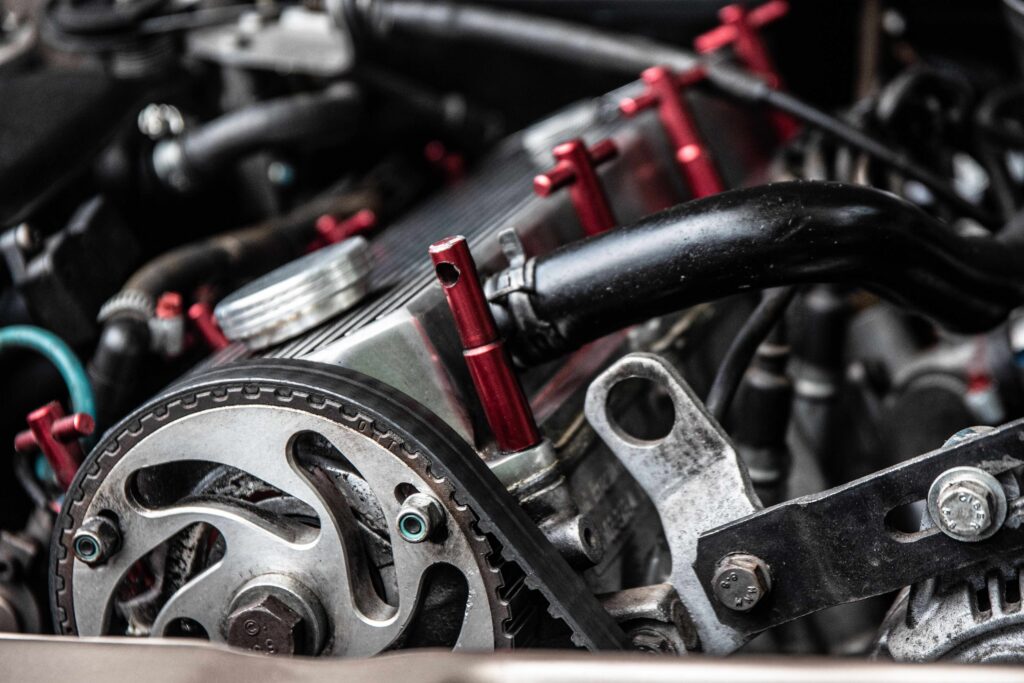
A timing belt, also called a cambelt, keeps the engine's crankshaft and camshaft moving in sync. This allows the engine's valves to open and close at the correct time as the pistons move.
The belt is made from reinforced materials designed to withstand repeated movement, heat and engine operating conditions. However, it gradually wears out with age and use.
Not every car has a timing belt. Some engines use a timing chain instead, so check your vehicle handbook or ask a mechanic if you are unsure which system your car uses.
When Should You Replace Your Timing Belt?
You should replace your timing belt according to the interval recommended by your vehicle manufacturer. This is usually based on mileage, age or a combination of both.
There is no single replacement interval that applies to every car. Some vehicles require a timing belt change at a particular mileage, while others have a time limit even if they have not covered many kilometres.
Check your vehicle's handbook or maintenance schedule for the correct interval. If you cannot find the information, a garage can check the requirements for your particular make, model and engine.
Does Mileage or Age Matter More?
Both matter. A car that covers a lot of kilometres may reach its mileage limit sooner, while a car used mainly for short journeys may reach its age limit first.
Even if you rarely drive, the timing belt can deteriorate over time. A low-mileage car is not necessarily safe to keep using with an old timing belt.
For example, if you have bought a used car and cannot confirm when the timing belt was last replaced, do not assume it is still within its service interval. Check the service records and ask a mechanic to establish what is required.
Signs Your Timing Belt May Need Replacing
One important thing to understand is that a timing belt may fail without giving you clear warning signs. Do not wait for a noise or change in engine performance before checking whether it is due for replacement.
However, certain symptoms can indicate a problem with the timing belt or related engine components.
1. Unusual Noises From the Engine
A ticking, rattling or squealing noise from the engine bay can indicate a mechanical problem. Depending on the cause, it may involve the timing belt system, a tensioner, a pulley or another engine component.
These noises do not automatically mean your timing belt needs replacing, but they should not be ignored, particularly if they are new or becoming more noticeable.
2. Difficulty Starting the Car
If your engine struggles to start or turns over without firing, there could be several possible causes, including a battery, fuel or ignition problem.
Incorrect engine timing can also affect starting. If the timing belt has slipped or failed, the engine may not start at all.
Have the car inspected rather than assuming the timing belt is responsible.
3. Engine Misfiring or Running Roughly
A worn or damaged timing belt that has slipped out of position can affect the timing of the engine's valves. This may cause misfiring, rough running or a noticeable loss of power.
These symptoms can also be caused by spark plugs, ignition components, fuel delivery problems or other faults. A proper diagnosis is needed to identify the cause.
4. Oil Leaking Near the Timing Belt Cover
Oil leaking around the timing belt area needs attention. If oil reaches the belt, it can damage the belt material and affect its reliability.
A leak may come from an engine seal or another nearby component rather than the belt itself. A mechanic can identify the source and check whether the belt has been contaminated.
5. Visible Cracks or Damage
If the timing belt is accessible, a mechanic may be able to identify cracking, fraying, missing teeth or other signs of damage.
However, the belt is often hidden behind protective covers, so it may not be possible to inspect it properly without removing components.Do not rely on visual conditions alone. A timing belt can appear acceptable but still be due for replacement under the manufacturer's schedule.
What Happens If a Timing Belt Breaks?
A broken timing belt can stop the engine immediately. The extent of the damage depends on the engine design and the circumstances in which the belt fails.
In many engines, the pistons and valves can collide when the timing belt breaks. This may damage valves, pistons or other internal engine components and lead to major repair work.
Some engines are designed to avoid this type of contact, so the outcome is not the same for every vehicle. However, a broken timing belt can still leave you stranded and require recovery and repairs.
If you suspect the timing belt has broken while driving, pull over safely as soon as possible and switch off the engine. Do not keep trying to start it, as this could worsen the damage. Arrange professional assistance.
Replacing the belt at the correct interval is generally far less disruptive than dealing with a sudden failure.
Should You Replace the Water Pump at the Same Time?
It can make sense to replace the water pump during a timing belt change, but it depends on your vehicle's design and the manufacturer's recommendations.
On some engines, the water pump is driven by the timing belt or is located behind components that must already be removed to access it. Replacing the pump during the same job may save on labour costs later.
Your mechanic should check whether the water pump, tensioners and idler pulleys should be replaced as part of the timing belt service.
These components do not necessarily need replacing on every car. The decision should be based on the vehicle manufacturer's guidance, the condition of the parts and the work involved.
How to Avoid Timing Belt Problems
You cannot prevent every mechanical fault, but a few sensible steps can help reduce the risk of timing belt failure.
1- Follow the manufacturer's schedule: Check the recommended replacement interval for your exact vehicle and engine.
2- Keep service records: Retain invoices showing when the timing belt was replaced and the mileage at the time.
3-Check the history of a used car: If replacement cannot be confirmed, ask a mechanic what should be done before assuming the belt is safe to use.
4- Deal with oil leaks: Have leaks around the engine and timing belt area investigated promptly.
5- Take unusual symptoms seriously: New engine noises, misfiring or starting problems deserve attention, even if you are unsure of the cause.
6- Ask about related components: Check whether the water pump, tensioners and pulleys should be changed during the timing belt replacement.
Regular servicing is important, but it does not automatically mean the timing belt has been replaced. Make sure the replacement is recorded separately in your vehicle's service history.
Conclusion
If your timing belt is due for replacement, you have bought a used car with an incomplete service history, or you are unsure when it was last changed, it is worth getting advice before the problem develops.
Worldwide Cars provides timing belt replacement services in Dublin for a range of makes and models. Our team can help establish the recommended maintenance requirements for your vehicle and explain which components may need replacing.
Contact Worldwide Cars today to discuss your timing belt replacement and arrange an inspection.
Not sure where your car stands?
Send us your reg and we'll tell you what's due — no obligation.
Send us your reg and we'll tell you what's due.
Book your next service with a workshop that shows its work
Fixed pricing, digital vehicle report, courtesy car on request. Dublin, Mon–Sat.
Martin Byrne
Master Technician
Leads the servicing bay at World Wide Cars.

Book a service with a workshop that shows its work
Fixed pricing, digital report, courtesy car on request.